The Mysterious Moai Statues of Easter Island
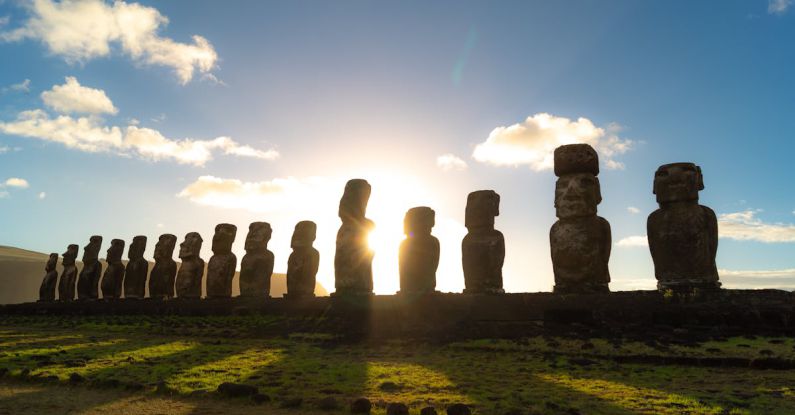
Easter Island, a remote volcanic island located in the southeastern Pacific Ocean, is famously known for its enigmatic Moai statues. These ancient monolithic figures, carved from volcanic tuff, have captivated the imagination of people around the world for centuries. Standing as high as 33 feet and weighing up to 82 tons, the Moai statues are a testament to the ingenuity and craftsmanship of the Rapa Nui people who created them. Let’s delve into the mysteries surrounding these awe-inspiring statues and unravel the secrets they hold.
The Origins of the Moai Statues
The Moai statues were created by the Polynesian settlers who arrived on Easter Island around 1200-1500 AD. These skilled artisans used stone tools to carve the Moai out of the volcanic rock found on the island. The statues were carved to represent deified ancestors, with each Moai believed to embody the spirit and power of a specific chief or important individual in the Rapa Nui society.
The Moai statues were placed on stone platforms known as Ahu, which served as ceremonial sites and burial grounds for the Rapa Nui people. The Ahu were strategically positioned along the coastlines of the island, facing inland towards the villages, serving as guardians and protectors of the communities.
The Mystery of the Moai Transportation
One of the most baffling mysteries surrounding the Moai statues is how the Rapa Nui people transported these massive figures from the quarries where they were carved to the Ahu platforms located all around the island. Theories abound, with some suggesting that the Moai were moved using a system of ropes, sledges, and manpower, while others propose the statues “walked” to their final destinations by swaying back and forth.
Recent archaeological experiments have shown that it is indeed possible for the Moai statues to have been transported in an upright position using a combination of ropes, manpower, and a rocking motion. This innovative method would have allowed the Rapa Nui people to move the statues across the rugged terrain of the island with relative ease.
The Toppled Moai
One of the intriguing aspects of the Moai statues is the discovery of many of them lying face down on the ground, seemingly toppled over. For many years, it was believed that the toppling of the Moai was the result of tribal warfare or conflict among the Rapa Nui people. However, recent research has suggested that environmental factors, such as deforestation and soil erosion, may have played a significant role in the toppling of the statues.
Studies have shown that the deforestation of Easter Island, which occurred as a result of the Rapa Nui people cutting down trees to transport and erect the Moai statues, led to soil erosion and destabilized the island’s ecosystem. This environmental degradation may have weakened the foundations of the Ahu platforms, causing the Moai statues to collapse over time.
The Cultural Significance of the Moai
Despite the mysteries surrounding their creation and transportation, the Moai statues hold immense cultural significance for the Rapa Nui people. These iconic figures are not merely stone sculptures but are considered living entities that embody the spiritual essence of their ancestors.
The Moai statues continue to be revered by the Rapa Nui people as symbols of their heritage and connection to the land. Today, efforts are being made to preserve and protect the Moai statues from further damage, ensuring that these enigmatic figures continue to inspire wonder and curiosity for generations to come.
Unraveling the Enigma of the Moai
The Moai statues of Easter Island stand as silent sentinels of a bygone era, guarding the secrets of the Rapa Nui people and their remarkable achievements. Despite the passage of time and the challenges they have faced, the Moai statues continue to intrigue and fascinate all who lay eyes on them.
As we unravel the mysteries surrounding the Moai, we come to appreciate the ingenuity, creativity, and spiritual beliefs of the Rapa Nui people who brought these majestic figures to life. The Moai statues of Easter Island will forever remain a testament to the enduring legacy of a civilization that thrived in isolation, leaving behind a legacy that continues to captivate and mystify the world.