The Unique Landscape of Salar De Uyuni
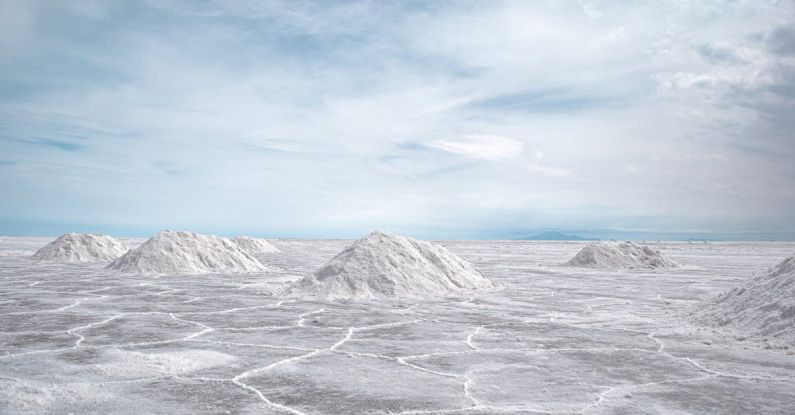
Stretching across over 4,000 square miles in southwest Bolivia, lies the otherworldly landscape of Salar de Uyuni. This mesmerizing salt flat is not just the largest in the world but also one of the most surreal places on Earth. With its mirror-like surface that reflects the sky, Salar de Uyuni offers a truly unique and breathtaking experience for those who visit.
The World’s Largest Salt Flat
Salar de Uyuni is known for being the world’s largest salt flat, formed as a result of prehistoric lakes evaporating and leaving behind a thick crust of salt minerals. The flat surface extends as far as the eye can see, creating an illusion of infinity during the rainy season when a thin layer of water covers the salt, turning it into a giant mirror. This natural phenomenon attracts photographers and tourists from around the globe, seeking to capture the surreal beauty of the reflective surface.
A Mirror to the Sky
During the rainy season, Salar de Uyuni transforms into a vast mirror, reflecting the sky with such clarity that it becomes difficult to distinguish between the land and the heavens above. This optical illusion creates a dreamlike landscape where visitors feel as though they are walking on clouds. The mirror effect of the salt flat is a photographer’s paradise, offering endless opportunities for capturing stunning images that play with perception and reality.
Cactus Island: An Oasis in the Salt Flat
In the middle of Salar de Uyuni lies Isla Incahuasi, also known as Cactus Island, a rocky outcrop covered in giant cacti towering over the salt flat. This oasis in the midst of the barren landscape provides a striking contrast and serves as a popular stop for visitors exploring the salt flat. Climbing to the top of the island offers panoramic views of the surrounding salt flat, showcasing the sheer vastness and beauty of Salar de Uyuni from a different perspective.
The Train Cemetery: A Rusty Relic of the Past
Just outside the town of Uyuni, visitors can explore the Train Cemetery, a haunting yet fascinating collection of abandoned locomotives and railway cars from the early 20th century. This rusty relic of the past offers a glimpse into Bolivia’s industrial history and serves as a popular spot for photographers looking to capture the eerie beauty of the decaying trains against the backdrop of the salt flat. The Train Cemetery is a testament to the passage of time and the resilience of nature in reclaiming man-made structures.
Flamingos and Wildlife
Despite its harsh environment, Salar de Uyuni is home to a diverse array of wildlife, including three species of flamingos that inhabit the nearby lagoons. These elegant birds add a splash of color to the monochromatic landscape, with their pink feathers standing out against the white salt flat. Visitors can witness the flamingos feeding in the mineral-rich waters of the lagoons, creating a striking contrast between the vibrant avian life and the stark surroundings of Salar de Uyuni.
The Enigmatic Beauty of Salar De Uyuni
Salar de Uyuni is a place of enigmatic beauty, where the line between reality and illusion blurs, and the vastness of nature humbles the human spirit. This unique landscape offers a glimpse into the sublime forces that shape our planet, inviting visitors to marvel at the wonders of the natural world. Whether exploring the mirror-like surface of the salt flat, wandering among the towering cacti of Cactus Island, or contemplating the rusting hulks of the Train Cemetery, Salar de Uyuni never fails to captivate and inspire those who venture into its surreal realm.