The Lost City of Pompeii: Frozen in Time
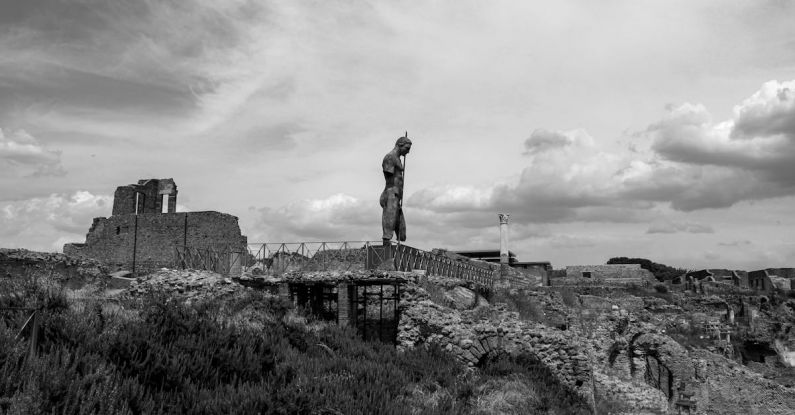
Nestled in the shadow of Mount Vesuvius, the ancient city of Pompeii stands as a haunting reminder of a civilization frozen in time. With its tragic history and remarkably preserved ruins, Pompeii continues to captivate the imagination of visitors from around the world.
A Catastrophic Eruption
In the year 79 AD, Pompeii was a thriving Roman city, home to an estimated population of 20,000 people. However, on a fateful day in August of that year, Mount Vesuvius erupted with catastrophic force, burying the city under a thick blanket of ash and pumice. The eruption was so sudden and intense that many residents perished before they could flee, their bodies preserved in the ash for centuries to come.
Rediscovery and Excavation
Pompeii lay buried and forgotten for nearly 1,700 years until its rediscovery in the 18th century. Excavations began in earnest in 1748, revealing a remarkably well-preserved snapshot of daily life in ancient Rome. The city’s streets, homes, shops, and even bodies were frozen in time, offering a glimpse into the past like no other archaeological site.
The Unearthed Treasures of Pompeii
As excavations continued, archaeologists unearthed a wealth of treasures from Pompeii, shedding light on the city’s rich history and culture. Lavish villas with intricate frescoes, bustling marketplaces, and even graffiti scrawled on the walls offer a window into the lives of Pompeii’s inhabitants. The city’s amphitheater, temples, and public baths stand as a testament to its prosperity and sophistication.
The Tragic Fate of Pompeii’s Inhabitants
Despite the remarkable preservation of Pompeii’s ruins, the city’s tragic history is never far from sight. The plaster casts of victims, created by pouring liquid plaster into the voids left by decaying bodies, serve as poignant reminders of the human toll of the eruption. These haunting figures, frozen in their final moments of agony, evoke a sense of empathy and sorrow for those who perished in the disaster.
Preservation Challenges and Ongoing Efforts
While Pompeii’s ruins have survived for centuries, they are not immune to the ravages of time and modern threats. The site faces challenges such as erosion, weathering, and the impact of tourism. Conservation efforts are ongoing to protect and preserve Pompeii for future generations, ensuring that this remarkable archaeological site endures for years to come.
The Legacy of Pompeii
The legacy of Pompeii extends far beyond its tragic end. The city’s ruins have inspired artists, writers, and scholars for centuries, shaping our understanding of ancient Roman civilization. Pompeii serves as a cautionary tale of the power of nature and the fragility of human life, a reminder that even the greatest cities can be lost in an instant.
Exploring Pompeii: A Journey Through Time
Visiting Pompeii is a journey through time, a chance to walk in the footsteps of ancient Romans and witness the enduring legacy of a lost city. As you wander its streets, marvel at its ruins, and contemplate its tragic past, remember that Pompeii is more than just a tourist attraction—it is a testament to the resilience of the human spirit in the face of adversity.
In conclusion, the lost city of Pompeii remains a poignant symbol of a civilization frozen in time by the forces of nature. Its tragic history, remarkable preservation, and ongoing conservation efforts ensure that Pompeii will continue to captivate and inspire generations to come. As we explore its ruins and reflect on its legacy, we are reminded of the fragility of life and the enduring power of human resilience in the face of overwhelming tragedy.