The Majestic Pyramids of Giza
Standing tall and proud on the vast desert landscape of Egypt, the Pyramids of Giza have captured the imagination of people for centuries. These ancient structures, built as tombs for the Pharaohs, continue to intrigue and awe visitors from around the world with their grandeur and mystery. Let’s delve into the fascinating history and significance of these iconic monuments.
History and Construction
The Pyramids of Giza, located on the outskirts of Cairo, are the most famous of all the Egyptian pyramids. Built during the Fourth Dynasty of the Old Kingdom of Egypt, around 2580–2560 BC, these colossal structures were constructed as royal tombs for the Pharaohs Khufu, Khafre, and Menkaure. The Great Pyramid of Giza, also known as the Pyramid of Khufu, is the largest and most well-known of the three pyramids, standing at an impressive height of 138 meters.
The construction of these pyramids remains a marvel of ancient engineering. The massive stone blocks, weighing several tons each, were quarried and transported to the construction site with incredible precision. Theories abound about how the ancient Egyptians accomplished such a feat without modern technology, with some suggesting the use of ramps, levers, and a vast workforce of laborers.
Significance and Purpose
The Pyramids of Giza served a dual purpose in ancient Egyptian society. Firstly, they were intended as elaborate tombs to house the bodies of the Pharaohs in the afterlife. The Egyptians believed in an afterlife where the Pharaoh would continue their rule and enjoy a prosperous existence, and the pyramids were designed to ensure a smooth transition to the next world.
Secondly, the pyramids were a symbol of the Pharaoh’s power and divine connection. The sheer size and complexity of these structures demonstrated the ruler’s ability to command vast resources and labor, reinforcing their status as a god-like figure to be revered and obeyed.
Visiting the Pyramids
Today, the Pyramids of Giza stand as a testament to the ingenuity and craftsmanship of the ancient Egyptians. Visitors from all corners of the globe flock to witness these architectural wonders up close and to soak in the mystique that surrounds them. Tourists can explore the interior chambers of some of the pyramids, marvel at the precision of the stone blocks, and imagine the grandeur of the Pharaohs who were laid to rest within.
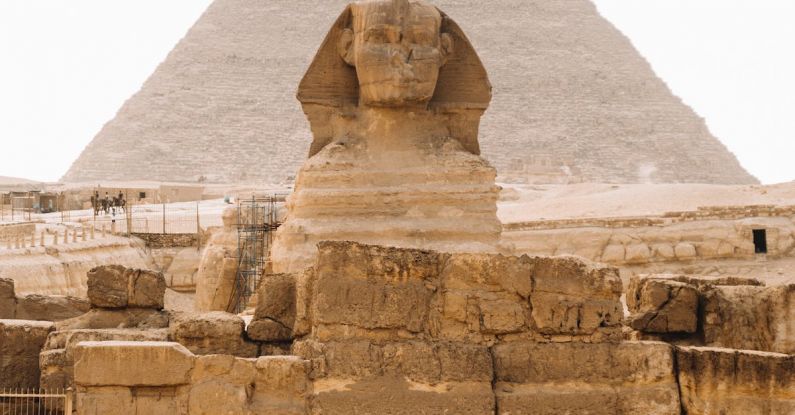
The Sphinx, a majestic limestone statue with the body of a lion and the head of a Pharaoh, stands guard near the pyramids and adds to the allure of the site. Visitors can pose for photos with this iconic statue and ponder the secrets it has witnessed over the millennia.
The Legacy of the Pyramids
The Pyramids of Giza have left an indelible mark on human history and culture. They have inspired countless works of art, literature, and film, capturing the imagination of generations and fueling speculation about their construction and purpose. The enduring legacy of these ancient structures serves as a reminder of the incredible achievements of the Egyptian civilization and the timeless allure of the mysteries they hold.
In conclusion, the Pyramids of Giza stand as a testament to the skill, vision, and ambition of the ancient Egyptians. These monumental structures continue to fascinate and intrigue visitors with their grandeur and mystery, inviting us to ponder the secrets of the past and marvel at the enduring legacy of one of the world’s most iconic landmarks.