Exploring the Forbidden City in Beijing
The Forbidden City in Beijing is a historical marvel that beckons visitors to step back in time and immerse themselves in the rich tapestry of China’s imperial past. This sprawling complex, also known as the Imperial Palace, served as the seat of power for Chinese emperors for nearly 500 years, from the Ming dynasty to the end of the Qing dynasty. Today, it stands as a UNESCO World Heritage Site and one of the most iconic landmarks in Beijing, offering a glimpse into the opulent lifestyle of China’s imperial rulers.
A Gateway to Imperial Splendor
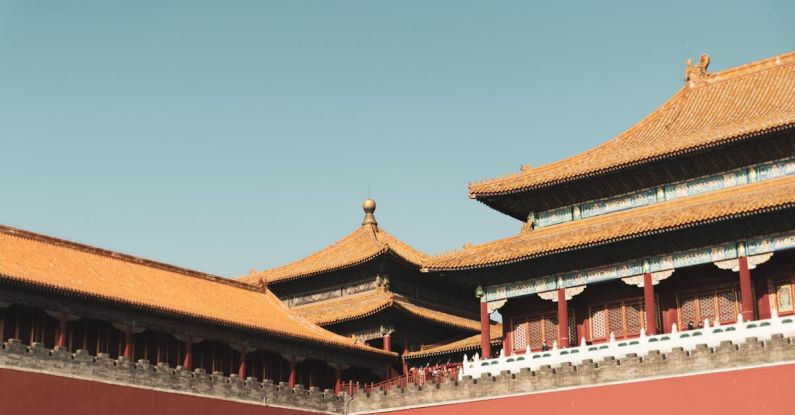
As you pass through the imposing red walls and enter the Forbidden City, you are transported to a world of grandeur and prestige. The vast complex spans over 180 acres and consists of nearly 1,000 buildings, making it the largest palace complex in the world. The intricate architectural details, from the golden roofs to the intricate carvings, reflect the power and authority of the emperors who once resided within its walls.
Walking through the expansive courtyards and majestic halls, you can almost feel the weight of history pressing down on you. Each building tells a story of imperial life, from the lavish ceremonies held in the Hall of Supreme Harmony to the secluded gardens of the empresses. The Forbidden City is a living museum, where every step you take is a journey through centuries of Chinese history and culture.
Discovering Hidden Treasures
One of the most fascinating aspects of exploring the Forbidden City is uncovering its hidden treasures. Behind every corner lies a new marvel waiting to be discovered, whether it’s a beautifully preserved pavilion or a hidden courtyard that offers a moment of tranquility amidst the bustling crowds. The Palace Museum, located within the Forbidden City, houses a vast collection of imperial artifacts, including ancient scrolls, intricate jade carvings, and priceless ceramics.
One of the must-see attractions within the Forbidden City is the Hall of Clocks, which showcases a stunning array of ancient timepieces that once belonged to the imperial court. The intricately crafted clocks and watches offer a glimpse into the technological advancements of the time, as well as the importance of timekeeping in the daily life of the emperors.
Immersing in Imperial Culture
To truly immerse yourself in the imperial culture of the Forbidden City, consider attending one of the traditional performances held within its walls. From elaborate dance performances to stirring musical recitals, these cultural events offer a glimpse into the artistic legacy of China’s imperial past. The Forbidden City is also home to the Imperial Garden, a serene oasis of lush greenery and meticulously landscaped ponds that provide a peaceful retreat from the bustling city outside.
A Modern Perspective
While the Forbidden City is steeped in history, it also offers a modern perspective on China’s cultural heritage. The complex has been meticulously preserved and restored over the years, ensuring that future generations can continue to appreciate its beauty and significance. In recent years, the Forbidden City has also embraced technology, with interactive exhibits and multimedia installations that bring the past to life in new and innovative ways.
In conclusion, exploring the Forbidden City in Beijing is a journey through time and space, where history and culture converge to create a truly unforgettable experience. From the grandeur of the imperial architecture to the hidden treasures waiting to be discovered, the Forbidden City offers a glimpse into the heart of China’s imperial past. Whether you’re a history buff, a culture enthusiast, or simply a curious traveler, a visit to the Forbidden City is sure to leave a lasting impression and a newfound appreciation for China’s rich heritage.