Jerusalem’s Ancient City: a Sacred Journey
Jerusalem, a city steeped in history and spirituality, holds a unique place in the hearts of millions around the world. Nestled in the hills of Israel, this ancient city is a melting pot of cultures, religions, and traditions that have coexisted for centuries. From the bustling markets of the Old City to the serene beauty of the Mount of Olives, Jerusalem offers visitors a sacred journey unlike any other.
The Old City: A Time Capsule of History
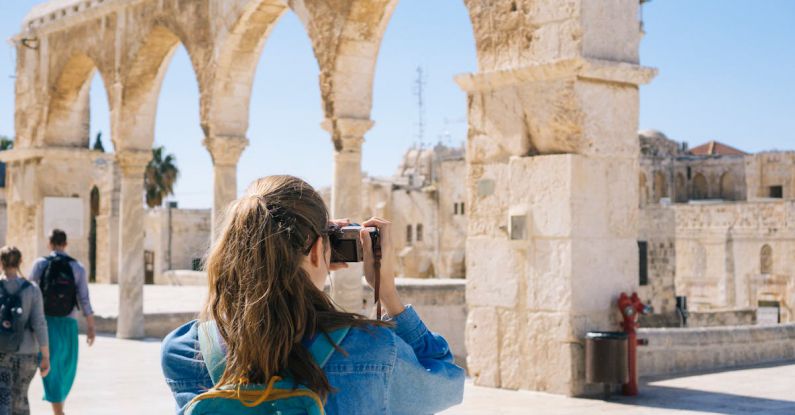
Step through the ancient walls of Jerusalem’s Old City, and you are transported back in time to a world of narrow cobblestone streets, bustling bazaars, and sacred sites that have drawn pilgrims for millennia. Divided into four quarters – Jewish, Christian, Muslim, and Armenian – the Old City is a living testament to the diverse tapestry of cultures that have shaped Jerusalem over the centuries.
In the Jewish Quarter, the Western Wall stands as a symbol of faith and resilience for the Jewish people. Here, visitors can write prayers on slips of paper and tuck them into the ancient stones, joining the millions who have sought solace and connection at this holy site. The Christian Quarter is home to the Church of the Holy Sepulchre, where tradition holds that Jesus was crucified and buried. Pilgrims from around the world come to walk the Via Dolorosa, retracing the path of Jesus’ final hours.
The Muslim Quarter is dominated by the Dome of the Rock, an iconic symbol of Jerusalem that gleams gold in the sunlight. This sacred site is believed to be where the Prophet Muhammad ascended to heaven, making it a focal point for Muslim worship and pilgrimage. Finally, the Armenian Quarter offers a quieter respite from the hustle and bustle of the city, with its ancient churches and peaceful courtyards that speak to the enduring presence of the Armenian community in Jerusalem.
Mount of Olives: A Place of Reflection and Reverence
Rising to the east of the Old City, the Mount of Olives offers a panoramic view of Jerusalem that is both breathtaking and humbling. This sacred hill is dotted with ancient tombs and olive groves, making it a place of reflection and reverence for visitors of all faiths. For Christians, the Mount of Olives holds special significance as the site of the Ascension of Jesus and the Garden of Gethsemane, where he prayed before his crucifixion.
Jewish tradition holds that the Mount of Olives is where the resurrection of the dead will begin when the Messiah comes, making it a site of pilgrimage and prayer for Jews from around the world. The Mount of Olives also plays a central role in Islamic eschatology, with the belief that it will be the site of the Last Judgment. This convergence of religious beliefs and traditions makes the Mount of Olives a place of profound spiritual significance for all who visit.
A Journey of the Soul
Jerusalem’s ancient city is more than just a collection of historic sites – it is a living, breathing testament to the enduring power of faith and tradition. From the sacred stones of the Western Wall to the serene beauty of the Mount of Olives, every corner of Jerusalem offers visitors a chance to connect with something greater than themselves. Whether you come as a pilgrim, a historian, or simply a curious traveler, Jerusalem’s ancient city invites you on a sacred journey of the soul.