The Colorful Traditions of India’s Holi Festival
Celebrated with great fervor and enthusiasm across the country, the Holi festival in India is a vibrant and colorful event that holds significant cultural and religious importance. This ancient Hindu festival marks the arrival of spring and signifies the victory of good over evil. Known as the “Festival of Colors,” Holi is a time for joyous celebrations, marked by the throwing of colored powders and water at each other, singing, dancing, and feasting.
The Origins of Holi
Holi’s origins can be traced back to Hindu mythology, with various legends and stories associated with its celebration. One of the most well-known stories is the tale of Holika, the evil sister of demon king Hiranyakashipu. According to the legend, Holika tried to kill Hiranyakashipu’s son, Prahlad, who was a devotee of Lord Vishnu. However, her plan backfired, and she ended up perishing in the fire, while Prahlad emerged unscathed. This victory of good over evil is commemorated during Holi, with the burning of Holika’s effigy symbolizing the triumph of righteousness.
The Rituals of Holi
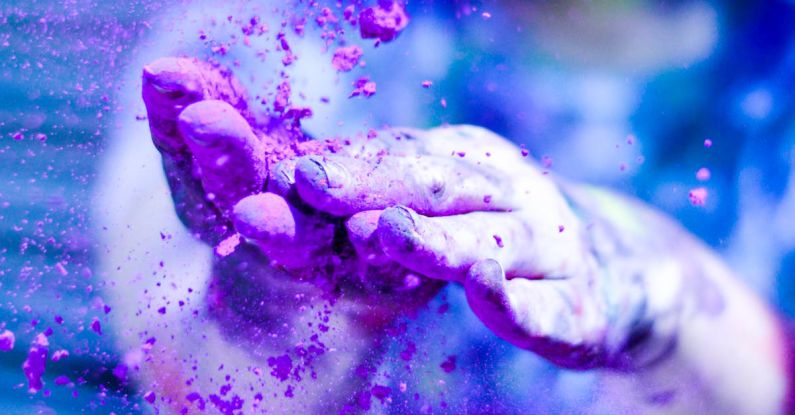
Holi is a festival that transcends social barriers and brings people together in a spirit of camaraderie and harmony. The festivities begin with a Holika Dahan, where bonfires are lit to symbolize the burning of negativity and evil forces. The next day is when the real fun begins, with people smearing each other with vibrant colors, known as gulal, and drenching each other with water. This playful exchange of colors is a way of breaking down barriers and fostering a sense of unity and togetherness.
Regional Variations
While Holi is celebrated across India, different regions have their unique customs and traditions that make the festival even more diverse and colorful. In the state of Uttar Pradesh, the town of Mathura is famous for its Lathmar Holi, where women playfully beat men with sticks, symbolizing the playful teasing between Lord Krishna and the gopis. In the western state of Gujarat, Holi is celebrated with great pomp and show, with people performing traditional folk dances like the Garba and Dandiya Raas. In the northeastern state of Assam, Holi is known as Phakuwa and is celebrated with traditional songs and dances.
The Significance of Colors
Colors play a central role in the celebration of Holi, with each color holding its own symbolic significance. Red symbolizes love and fertility, green represents spring and new beginnings, yellow signifies the color of turmeric, which is considered auspicious, while blue is associated with the Hindu god Krishna. The playful throwing of colors is a way of spreading joy and happiness, breaking down social barriers, and fostering a sense of equality among people.
Modern Celebrations
In recent years, Holi celebrations have spread beyond India’s borders, with people from different cultures and backgrounds embracing the festival’s spirit of fun and togetherness. In countries like the United States, the United Kingdom, and Australia, Holi festivals are organized with music, dance, and, of course, colorful powders. These modern celebrations have helped introduce the rich cultural heritage of India to a global audience and have become a symbol of unity and diversity.
Embracing the Spirit of Holi
As the festival of colors approaches each year, people across India eagerly anticipate the joy and vibrancy that Holi brings. It is a time to let go of inhibitions, come together with loved ones, and revel in the beauty of life. The colorful traditions of Holi serve as a reminder of the power of unity, love, and the triumph of good over evil. So, this Holi, let’s embrace the spirit of the festival, spread love and happiness, and celebrate the colors of life in all their splendid glory.