The Grand Canyon: a Creation of Time
Stretching for 277 miles and plunging to depths of over a mile, the Grand Canyon is a natural wonder that transcends the boundaries of time. Carved by the mighty Colorado River over millions of years, this breathtaking geological masterpiece serves as a testament to the power of erosion and the ever-changing landscape of our planet. Let us delve into the fascinating history and geology of the Grand Canyon, a creation of time itself.
The Formation Process
The story of the Grand Canyon begins nearly 6 million years ago when the Colorado River began its relentless journey through the rugged terrain of the Colorado Plateau. Over time, the flowing water gradually eroded the rock layers, carving out the steep cliffs and deep ravines that define the canyon today. The process of erosion continues to shape the canyon, with the river still wearing away at the rock, albeit at a much slower pace.
Layer Upon Layer
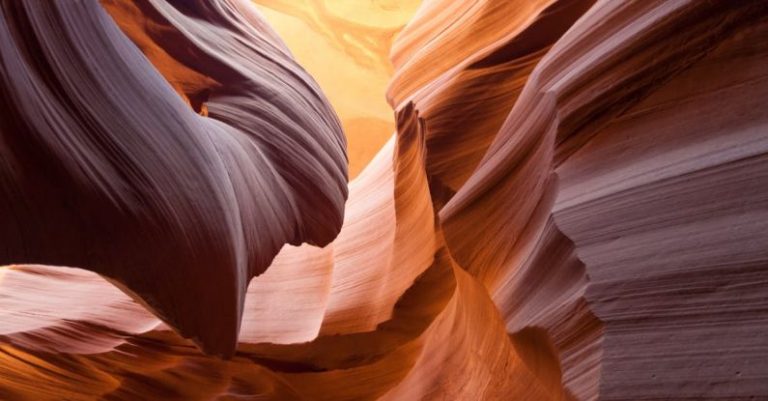
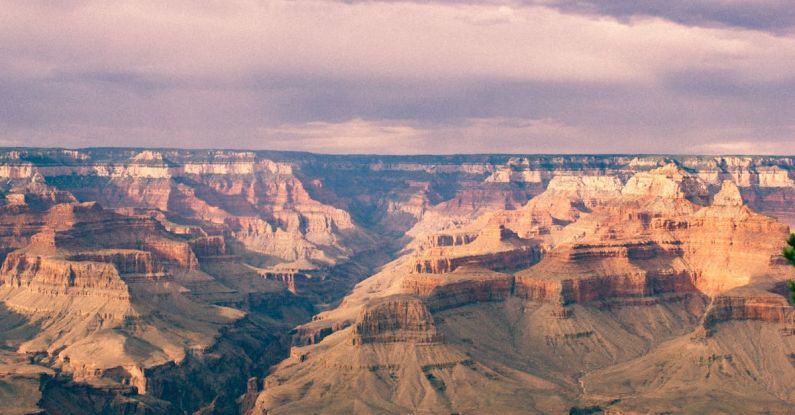
One of the most striking features of the Grand Canyon is its intricate layers of rock, each telling a different tale of the Earth’s history. These layers, known as strata, reveal millions of years of geological processes, from ancient seas to volcanic eruptions. The oldest rocks in the canyon date back nearly 2 billion years, offering a glimpse into the distant past of our planet.
The Grandeur of the Canyon
Standing on the rim of the Grand Canyon, one is immediately struck by the sheer scale and grandeur of this natural wonder. The vast expanse of the canyon, with its myriad colors and textures, is a sight to behold. From the sun-kissed cliffs to the shadowy depths of the inner gorge, every turn offers a new perspective on the beauty and complexity of the canyon.
A Haven for Wildlife
Despite its harsh and unforgiving landscape, the Grand Canyon is teeming with life. From elusive mountain lions to majestic California condors, the canyon is home to a diverse array of plant and animal species. The Colorado River itself supports a thriving ecosystem, with fish, amphibians, and birds finding refuge along its banks. Exploring the canyon, one can encounter bighorn sheep scaling the cliffs, or catch a glimpse of a rare Grand Canyon rattlesnake sunning itself on a rock.
Preserving a National Treasure
Recognizing the importance of the Grand Canyon as a natural and cultural treasure, the area was designated a national park in 1919. Today, millions of visitors flock to the canyon each year to marvel at its beauty and explore its hidden wonders. Efforts to preserve and protect the canyon are ongoing, ensuring that future generations will have the opportunity to experience this awe-inspiring landscape.
Timeless Beauty
As the sun sets over the Grand Canyon, casting a warm glow over the ancient rock formations, one cannot help but be humbled by the sheer magnitude and beauty of this natural wonder. The canyon stands as a testament to the power of nature and the inexorable march of time. Each layer of rock, each twist and turn of the river, is a chapter in the story of the Earth itself.
In Conclusion
The Grand Canyon is more than just a geological marvel; it is a living testament to the ever-changing landscape of our planet. From its formation millions of years ago to the present day, the canyon continues to inspire awe and wonder in all who are fortunate enough to experience its grandeur. As we gaze out over the vast expanse of the canyon, we are reminded of the power of nature and the beauty that can be created over the course of time.