The Historical Riches of Istanbul’s Hagia Sophia
Nestled in the heart of Istanbul, Turkey, lies a treasure trove of historical richness – the Hagia Sophia. This iconic structure has stood the test of time, bearing witness to centuries of history and serving as a symbol of the city’s diverse cultural heritage. From its inception as a Christian cathedral to its transformation into a mosque and finally a museum, the Hagia Sophia is a living testament to the convergence of different civilizations and faiths.
The Magnificent Architecture
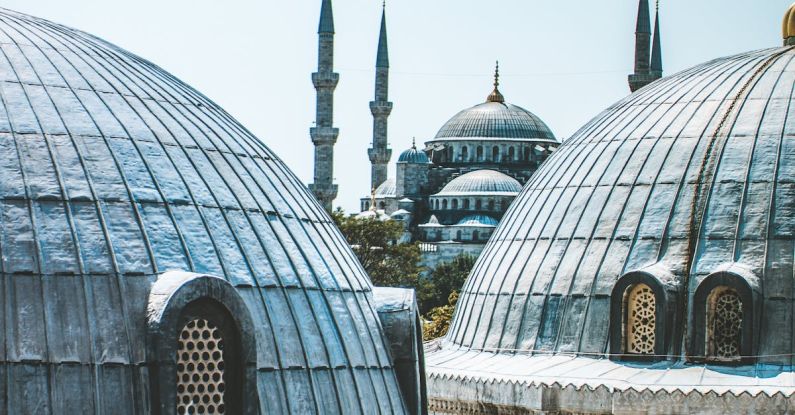
The Hagia Sophia, also known as Ayasofya in Turkish, is renowned for its magnificent architecture that seamlessly blends elements of Byzantine and Islamic design. Built in the 6th century by the Byzantine Emperor Justinian I, the structure served as the cathedral of Constantinople for nearly a thousand years. Its massive dome, intricate mosaics, and soaring minarets all contribute to its grandeur and beauty.
One of the most striking features of the Hagia Sophia is its massive dome, which was a marvel of engineering at the time of its construction. The dome, supported by massive piers and arches, appears to float ethereally above the central nave, creating a sense of awe and wonder for visitors. The interior of the Hagia Sophia is adorned with stunning mosaics depicting religious figures, geometric patterns, and floral motifs, reflecting the artistic influences of both Christian and Islamic traditions.
The Evolution of Faith
Throughout its long and storied history, the Hagia Sophia has witnessed the ebb and flow of different faiths and civilizations. Originally built as a Christian cathedral, the Hagia Sophia became a symbol of the Byzantine Empire’s power and prestige. For centuries, it served as the center of Orthodox Christianity, hosting coronations, religious ceremonies, and important events in the life of the empire.
In 1453, following the conquest of Constantinople by the Ottoman Turks, the Hagia Sophia was converted into a mosque, marking a significant shift in its religious identity. Islamic calligraphy and decorative elements were added to the interior, and minarets were constructed around the perimeter of the building. The Hagia Sophia remained a mosque for nearly 500 years, serving as a place of worship and a symbol of Ottoman imperial power.
A Symbol of Unity and Diversity
In 1935, under the leadership of Mustafa Kemal Atatürk, the founder of the Republic of Turkey, the Hagia Sophia was transformed into a museum as part of a broader effort to secularize the country. This decision reflected Turkey’s commitment to preserving its diverse cultural heritage and promoting religious tolerance.
Today, the Hagia Sophia continues to attract visitors from around the world, serving as a testament to the rich tapestry of history that defines Istanbul. Its status as a UNESCO World Heritage Site underscores its importance as a cultural landmark that transcends religious and political boundaries. The Hagia Sophia stands as a symbol of unity and diversity, reminding us of the power of architecture to bridge divides and bring people together.
A Timeless Legacy
As we marvel at the architectural splendor of the Hagia Sophia and contemplate its complex history, we are reminded of the enduring legacy of this iconic structure. From its humble beginnings as a Christian cathedral to its transformation into a mosque and museum, the Hagia Sophia has weathered the tides of history with grace and resilience.
In an ever-changing world, the Hagia Sophia stands as a beacon of hope and inspiration, inviting us to reflect on the shared heritage of humanity and the enduring power of cultural exchange. As we explore its hallowed halls and gaze upon its timeless beauty, we are reminded of the importance of preserving our collective past for future generations to cherish and appreciate. The Hagia Sophia is more than just a building – it is a living testament to the richness and diversity of our shared history.