Unraveling the Mysteries of Stonehenge
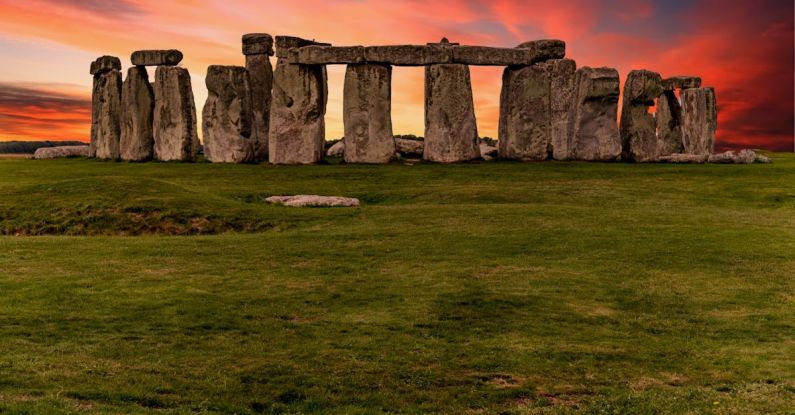
Nestled in the English countryside lies one of the world’s most enigmatic and fascinating ancient sites – Stonehenge. The iconic stone circle has captivated the imagination of historians, archaeologists, and tourists alike for centuries, yet many mysteries shroud its origins and purpose. Let’s delve into the enigmatic world of Stonehenge and unravel some of the enduring riddles that surround this ancient marvel.
The Origins of Stonehenge
Stonehenge’s origins can be traced back to around 3000 BC, during the late Neolithic period. The monument evolved over centuries, with its construction spanning different phases. Initially, it consisted of a circular earthwork enclosure known as a henge, with a series of large timber structures erected within it. However, it was the introduction of the iconic standing stones that truly transformed Stonehenge into the awe-inspiring site we see today.
The Mystery of the Stones
One of the most perplexing aspects of Stonehenge is the origin of its massive stones. The larger sarsen stones, which form the outer circle and trilithons, are believed to have been sourced from the Marlborough Downs, located roughly 20 miles away from the site. The transportation of these colossal stones, some weighing up to 50 tons, remains a remarkable feat of ancient engineering that continues to baffle researchers.
The Purpose of Stonehenge
The true purpose of Stonehenge remains a subject of debate and speculation. While some theories suggest it served as a celestial observatory or a site for religious ceremonies, others propose more practical functions, such as a burial ground or a healing sanctuary. The alignment of Stonehenge with the solstices and equinoxes has led many to believe it had a significant astronomical or calendrical purpose, possibly related to marking the changing seasons or predicting celestial events.
The People Behind Stonehenge
Unraveling the mysteries of Stonehenge also involves understanding the people who built and used this monumental structure. Archaeological evidence suggests that Stonehenge was a communal project, requiring the labor and expertise of a diverse workforce. The site’s significance in the Neolithic world is evident from the elaborate burial mounds and artifacts found in the surrounding landscape, indicating that Stonehenge was more than just a standalone monument but part of a larger cultural and ritual landscape.
The Role of Technology in Unlocking Stonehenge’s Secrets
Advancements in technology have revolutionized our understanding of Stonehenge in recent years. Non-invasive survey techniques, such as ground-penetrating radar and 3D laser scanning, have allowed researchers to map the subsurface features of the site and uncover hidden structures that were previously unknown. These technological innovations have provided new insights into the construction sequence of Stonehenge and shed light on its intricate design and layout.
Interpreting the Symbols of Stonehenge
The intricate arrangement of stones at Stonehenge has long been thought to contain symbolic meanings and alignments that connect the monument to the natural world and the cosmos. The circular shape of the stone circle, the alignment of certain stones with specific celestial events, and the deliberate positioning of the monument in relation to the surrounding landscape all hint at a deeper symbolic significance that transcends mere practicality.
Unveiling the Legacy of Stonehenge
As we unravel the mysteries of Stonehenge, we come face to face with the enduring legacy of this ancient wonder. Despite the passage of millennia, Stonehenge continues to inspire awe and wonder, challenging our perceptions of the past and inviting us to contemplate the profound mysteries of human history and achievement. The enigmatic stones of Stonehenge stand as a testament to the ingenuity, creativity, and spiritual beliefs of our ancient ancestors, reminding us of the enduring power of human curiosity and imagination.
In conclusion, Stonehenge remains a source of fascination and intrigue, inviting us to explore the depths of its mysteries and unlock the secrets of our ancient past. As we continue to study and interpret this enigmatic monument, we gain valuable insights into the lives, beliefs, and achievements of the people who shaped our world thousands of years ago. Stonehenge stands as a timeless symbol of human ingenuity and perseverance, a testament to the enduring quest for knowledge and understanding that defines our shared human experience.