Walking through History: the Colosseum of Rome
Stepping into the Colosseum of Rome is like stepping back in time, immersing oneself in the grandeur and brutality of ancient Roman entertainment. This iconic amphitheater stands as a symbol of the power and engineering prowess of the Roman Empire. Walking through its ruins today, visitors are transported to an era of gladiatorial combat, exotic animal hunts, and dramatic spectacles that enthralled the citizens of Rome.
**The Iconic Structure**
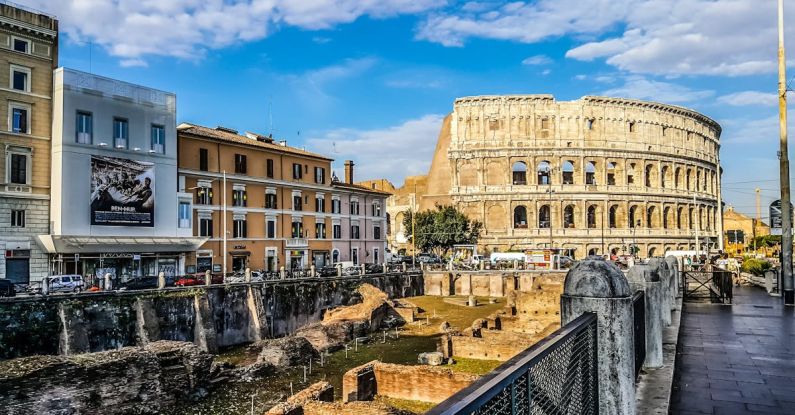
The Colosseum, also known as the Flavian Amphitheatre, is an architectural marvel that has endured for over two millennia. Constructed during the reign of the Flavian emperors in the first century AD, this elliptical amphitheater was capable of seating up to 80,000 spectators, making it the largest of its kind in the ancient world. The structure stands as a testament to the ingenuity of Roman engineering, with its innovative use of concrete, arches, and vaults.
**Gladiatorial Combat and Spectacles**
One of the most iconic features of the Colosseum was the gladiatorial combat that took place within its walls. Gladiators, trained fighters who battled to the death for the entertainment of the crowds, were a central part of Roman culture. The amphitheater also hosted mock sea battles, animal hunts, and theatrical performances, captivating audiences with its grandeur and scale.
**The Hypogeum and Spectator Experience**
Beneath the arena of the Colosseum lies the hypogeum, a vast network of tunnels and chambers where gladiators and animals were housed before their performances. This intricate system of underground passages allowed for dramatic entrances and surprises during the spectacles, adding to the excitement for the spectators above. Visitors to the Colosseum can explore this subterranean labyrinth and imagine the anticipation and tension that must have filled the air before a show.
**The Decline and Preservation**
Over the centuries, the Colosseum fell into disrepair as a result of natural disasters, plundering, and neglect. Despite this, the structure has managed to survive as a symbol of Rome’s rich history and cultural heritage. Efforts to preserve and restore the Colosseum have been ongoing, ensuring that future generations can continue to marvel at this ancient wonder.
**Modern-Day Significance**
Today, the Colosseum stands as a symbol of Rome’s enduring legacy and attracts millions of visitors from around the world each year. It serves as a reminder of the grandeur and excesses of the Roman Empire, as well as the human cost of its entertainment. The amphitheater also serves as a powerful symbol of resilience and survival, having withstood the test of time and the challenges of history.
**Exploring the Colosseum**
Visitors to the Colosseum have the opportunity to walk in the footsteps of ancient Romans, exploring the arena, seating areas, and underground chambers that once hosted epic spectacles. Guided tours offer insights into the history and architecture of the amphitheater, providing a deeper understanding of its significance in Roman society. As one wanders through the ruins, it is easy to imagine the roar of the crowd, the clash of swords, and the drama of the games that once played out in this hallowed space.
**In Conclusion**
The Colosseum of Rome stands as a timeless symbol of the power, ingenuity, and excesses of the Roman Empire. Its iconic structure and bloody history continue to captivate visitors, offering a window into a world long past. Walking through the ruins of this ancient amphitheater, one cannot help but be awed by the grandeur and brutality of Rome’s gladiatorial spectacles. The Colosseum remains a testament to the enduring legacy of one of history’s greatest civilizations.